
18 July 2025 · 5 min read
Nearshoring to Türkiye: a practical look at what changes and what doesn't
As European manufacturers look for alternatives to distant supply chains, Türkiye offers a practical combination of manufacturing capability, proximity, and coordination. Here is what that looks like in practice.
Why supply chain location matters more than it used to
The past few years have made a lot of procurement teams re-examine where their parts come from. Delays, quality inconsistencies, and communication breakdowns that seemed manageable when lead times were long and prices were low became serious problems when schedules tightened. The response from many European buyers has been to look for manufacturing that is closer — not necessarily local, but significantly closer than the furthest options on the market.
Türkiye sits in an interesting position here. It is not as cheap as some Asian options. It is not as expensive as Western European production. And it is close enough — in time zones, flight hours, and logistics routes — that the coordination overhead is significantly lower than managing production 8,000 kilometres away.
What "nearshoring" actually changes in practice
The practical differences between sourcing from a near-shore manufacturer and a distant one come down to a few specific things.
Communication timing. When a question needs to go back and forth between a buyer in the Netherlands and a supplier in Türkiye, the time zone overlap means those questions can be resolved in a single working day. The same question to a supplier with a 6-7 hour time difference can take two to three days to cycle through, especially if the answer generates a follow-up.
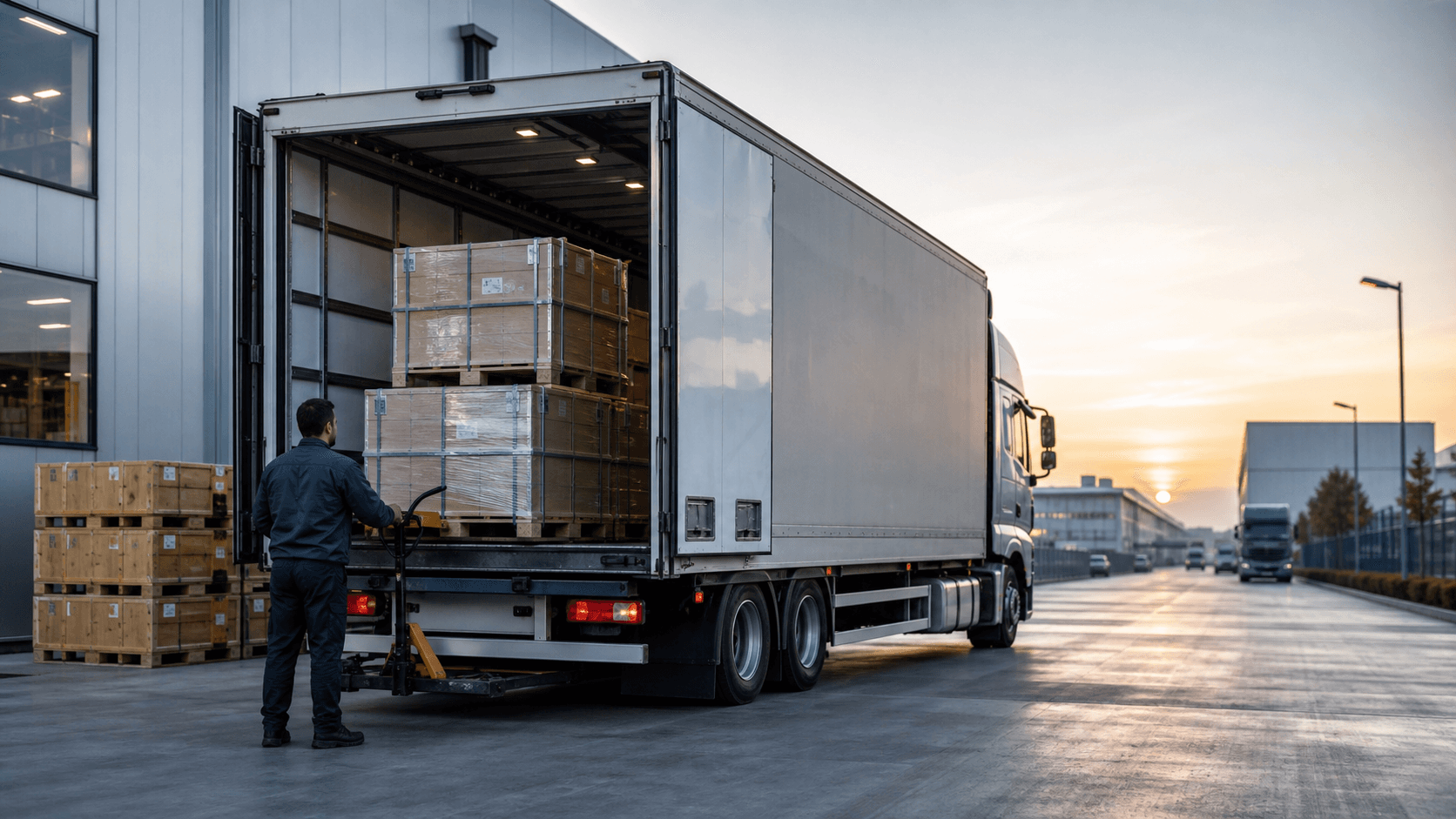
Logistics predictability. Freight from Türkiye to Western Europe runs on well-established truck and courier routes. Transit times are generally two to five days by road, and air freight is available for urgent deliveries. Customs clearance is a known quantity. Port congestion in unrelated parts of the world does not affect your shipment.
Visits and inspections. If a buyer wants to visit the production facility, or if a part requires on-site inspection before dispatch, Türkiye is accessible. A flight from Amsterdam to Bursa is under three hours. That is a meaningful difference from a twelve-hour journey.
What does not change
Nearshoring does not automatically solve every problem. The same discipline required for good supply chain management — clear drawings, realistic schedules, documented specifications, early communication of changes — is required whether your supplier is 200 kilometres away or 2,000.
The factory in Bursa does not automatically know your industry standards, your tolerance requirements, or your quality expectations. Those have to be communicated. The advantage of nearshoring is that communicating them is faster and easier, not that they become unnecessary.
The coordination layer
One of the reasons SYG Industrial exists is that the benefits of near-shore manufacturing in Türkiye are real, but accessing them requires a coordination layer that most European buyers do not have in-house. Finding the right production partner, managing drawings and revisions, handling quality documentation, and keeping the logistics moving is work — and it is work that most engineering or procurement teams would rather not add to their plate.
Our role is to make that work invisible from the buyer's side. You send drawings and requirements; we manage everything that happens between that and parts arriving at your address.